
Treatment Information
Endodontic Surgery: When Might Root-End Treatment Be Considered?
Understand what an apicoectomy involves, how it differs from root canal retreatment and which questions to bring to an endodontic consultation in Bangkok.
November 22, 2026
Written byAsok Montri Dental Clinic
Medically reviewed byDr. Song Auttawetchakul
Last reviewed: November 16, 2026
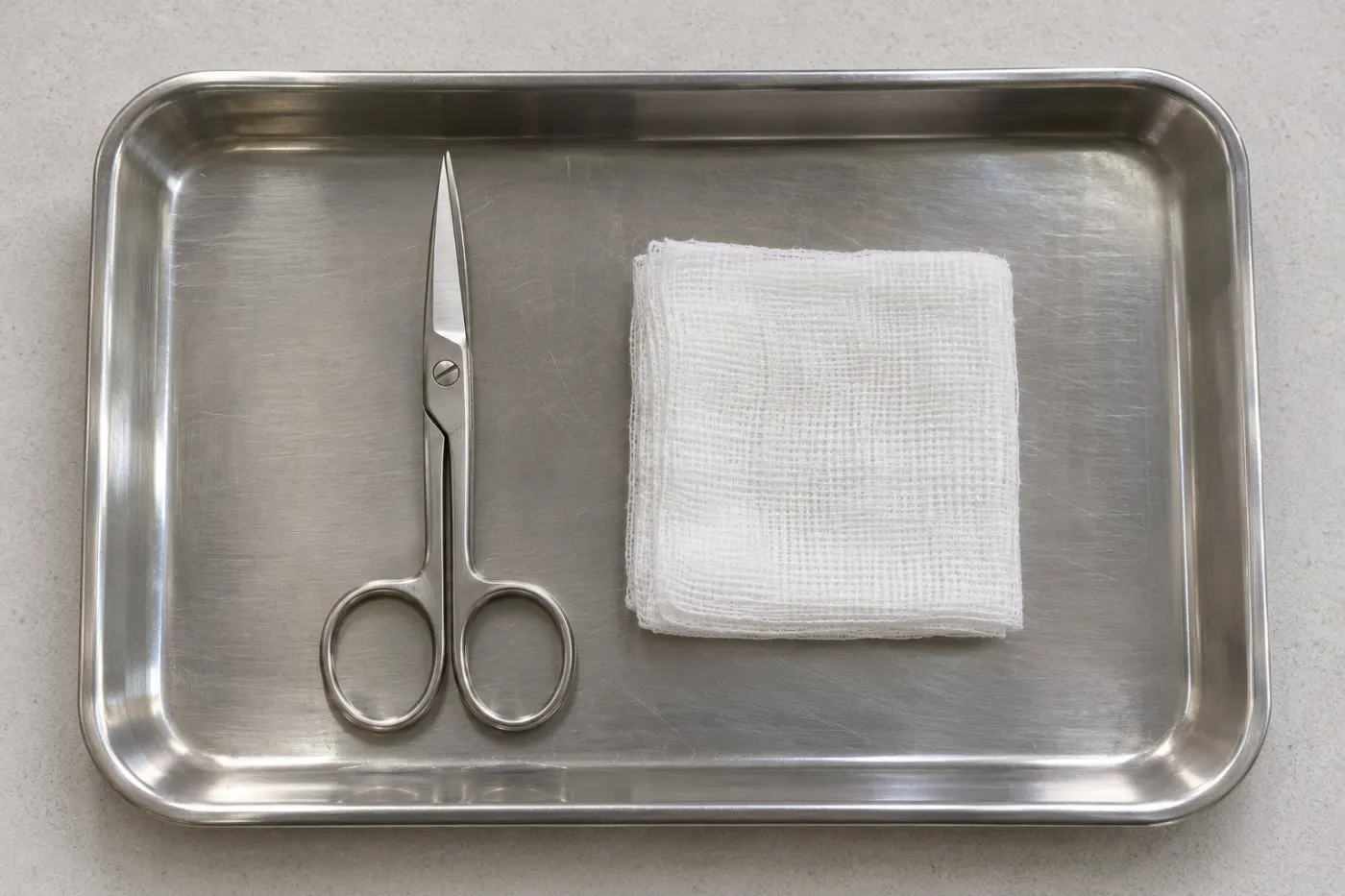
An apicoectomy is a form of endodontic surgery that treats the end of a tooth root. It may be considered when disease around the root tip persists after root canal treatment. It is an option for selected teeth, not an extra procedure that everyone having a root canal needs. [1]
Our root canal service includes endodontic surgery. If you have been advised to consider root-end treatment, the first useful question is why it is being suggested for your particular tooth.
How is it different from another root canal?
In nonsurgical retreatment, the dentist accesses the canals through the tooth, removes the earlier filling material and treats the canal system again. In an apicoectomy, the root end is reached through the gum. A small part of the root tip and affected tissue are removed, and the root end may be sealed with a filling. [2] [1]
These approaches address the tooth from different directions. A recommendation should explain why one route is preferable, whether both are relevant and what alternatives remain.
What needs to be assessed?
Persistent disease, access to the canals and the condition of the tooth influence the decision. Surgery does not replace the need to consider whether the tooth can be restored and supported afterwards. [1] [3]
Bring records of previous treatment if you have them. It helps to know when the original root canal was completed, whether it was treated again and when the current symptoms began. You can also ask for the findings to be explained on your images rather than trying to interpret an X-ray yourself.
Questions for the consultation
What problem is root-end surgery intended to address?
Why is retreatment through the tooth suitable or unsuitable?
What are the risks and limitations for this tooth?
How will healing be checked?
How should I plan work, travel and follow-up appointments?
Your treating dentist should give recovery instructions for the procedure actually planned. An online description cannot determine the right recovery arrangements for an individual operation. [1]
We suggest keeping your consultation questions and previous records together. That makes it easier to compare the proposed options and understand what happens next. Our root canal guide covers the broader treatment discussion.
References
- https://www.aae.org/patients/root-canal-treatment/endodontic-treatment-options/endodontic-surgery/endodontic-surgery-explained/
- https://www.aae.org/patients/root-canal-treatment/endodontic-treatment-options/endodontic-retreatment/endodontic-retreatment-explained/
- https://www.aae.org/specialty/fundamentals-of-restorability/
- https://asokmontridental.net/services/rct
Have a question?
Our team can talk through your concerns and help you decide what to ask at a consultation.
Appointment enquiryRelated articles
View all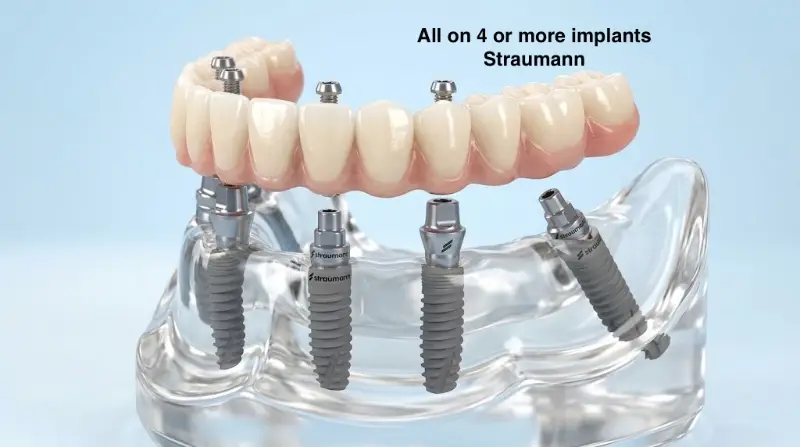
Treatment Information
Is My Mouth Suitable for All-on-4 or All-on-X Implants?
Who may be suitable for All-on-4 or All-on-X dental implants, and when other tooth replacement options may be a better fit.
Read article
Treatment Information
All-on-4 Costs in Thailand: What Shapes Your Quote
Our Bangkok implant team explains what shapes an All-on-4 quote, from one or both arches to restorations, grafting and planned visits.
Read article