
Treatment Information
Is My Mouth Suitable for All-on-4 or All-on-X Implants?
Who may be suitable for All-on-4 or All-on-X dental implants, and when other tooth replacement options may be a better fit.
November 8, 2026
Written byDr. Song Auttawetchakul, Diplomate, American Board of Prosthodontics
Medically reviewed byDr. Song Auttawetchakul, Diplomate, American Board of Prosthodontics
Last reviewed: October 20, 2026
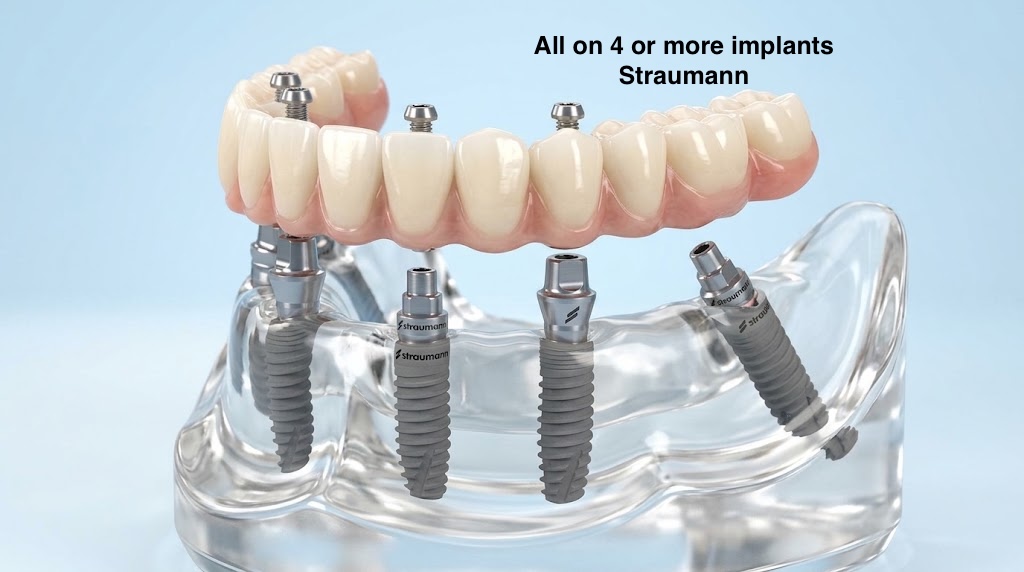
The primary indications for All-on-4 dental implants focus on restoring complete dental function and aesthetics in patients facing severe or total tooth loss within a dental arch. Originally designed to bypass complex bone grafting, this system uses four precisely angled implants to support a fixed, full-arch prosthesis.
Clinical indications for the All-on-4 procedure include:
Complete Edentulism: Patients who have lost all of their natural teeth in either the upper (maxillary) or lower (mandibular) jaw.
Terminal Dentition: Individuals with multiple remaining teeth that are failing or non-functional due to severe tooth decay, advanced periodontal disease (gum disease), or extensive trauma, requiring full extraction.
Significant Posterior Bone Resorption: Patients with moderate-to-severe jawbone loss in the back of the mouth, often eliminating the need for costly and invasive bone grafting.
Anatomical Limitations: Individuals whose nerve paths (like the inferior alveolar nerve in the lower jaw) or sinus cavities (in the upper jaw) prevent traditional vertical implants from being safely placed near the back teeth.
Denture Intolerance or Failure: Long-term denture wearers who experience structural changes in their jawbone, leading to unstable, slipping, or ill-fitting removable dentures that cause irritation or impede chewing and speaking.
Desire for Immediate Function: Patients who qualify for immediate loading protocols, allowing a temporary, fixed bridge to be secured to the implants on the exact day of surgery so they do not have to live without teeth during healing.
It is not universally necessary. It is highly recommended if you are missing most or all of your teeth, or if your remaining teeth have severe bone loss or advanced periodontitis and cannot be saved. However, if you only have a few missing teeth and the rest of your mouth is stable, alternative localized options are a better fit.
Have a question?
Our team can talk through your concerns and help you decide what to ask at a consultation.
Appointment enquiryRelated articles
View all
Treatment Information
All-on-4 Costs in Thailand: What Shapes Your Quote
Our Bangkok implant team explains what shapes an All-on-4 quote, from one or both arches to restorations, grafting and planned visits.
Read article
Treatment Information
Bone Grafting and Sinus Lifts in Implant Planning
Understand how bone grafting and sinus lifts differ, and what to ask about implant treatment stages, materials, quotations and travel planning.
Read article