
Treatment Information · Oral Health
Types of Veneers: Costs and Lifespan
Compare composite and porcelain veneers, including their costs per tooth, advantages, disadvantages and lifespan.
November 8, 2026
Written byDr. Song Auttawetchakul, Diplomate, American Board of Prosthodontics
Medically reviewed byDr. Song Auttawetchakul, Diplomate, American Board of Prosthodontics
Last reviewed: October 30, 2026

How many types of veneers are there, and how long do they last?
They are mostly categorized by the material used, each with its own advantages and prices:
1. Composite Veneers: Use tooth-colored filling material. More affordable, starting at approximately 3,000 - 3,500 Baht per tooth.
Advantages: Completed in one visit, minimal tooth preparation, lower cost.
Disadvantages: Less durable, easily chipped or worn, susceptible to staining, and shine diminishes over time.
2. Porcelain/Ceramic Veneers: High-quality material, strong and durable, does not change color, and has a more natural transparency. Starting at approximately 12,000 - 13,000 Baht per tooth.
Advantages: Very high strength, similar to natural teeth, does not absorb color, natural-looking shine, and remains color-fast throughout its lifespan.
Disadvantages: More expensive than composite veneers, requires more tooth preparation, and takes longer to complete.
How long do veneers last?
The lifespan depends on the material and maintenance.
Porcelain Veneers: On average, 15 - 25 years, or longer with good care.
Composite veneers: Typically have a shorter lifespan and may be more prone to staining or corrosion.
Lifespan: 5-10 years.
Have a question?
Our team can talk through your concerns and help you decide what to ask at a consultation.
Appointment enquiryRelated articles
View all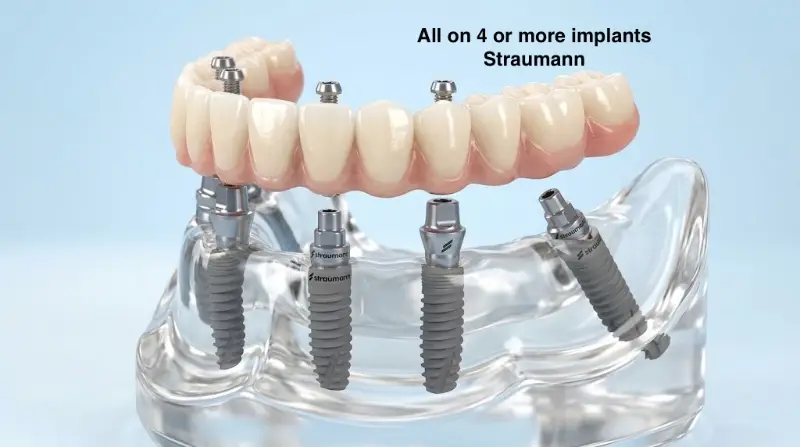
Treatment Information
Is My Mouth Suitable for All-on-4 or All-on-X Implants?
Who may be suitable for All-on-4 or All-on-X dental implants, and when other tooth replacement options may be a better fit.
Read article
Treatment Information
All-on-4 Costs in Thailand: What Shapes Your Quote
Our Bangkok implant team explains what shapes an All-on-4 quote, from one or both arches to restorations, grafting and planned visits.
Read article