
Treatment Information
What Can Change an Implant Plan After a CBCT Scan?
Learn which CBCT findings can affect implant position, preparatory treatment and visits. Our Bangkok clinic explains what to ask before treatment.
October 24, 2026
Written byAsok Montri Dental Clinic
Medically reviewed byDr. Song Auttawetchakul
Last reviewed: October 15, 2026
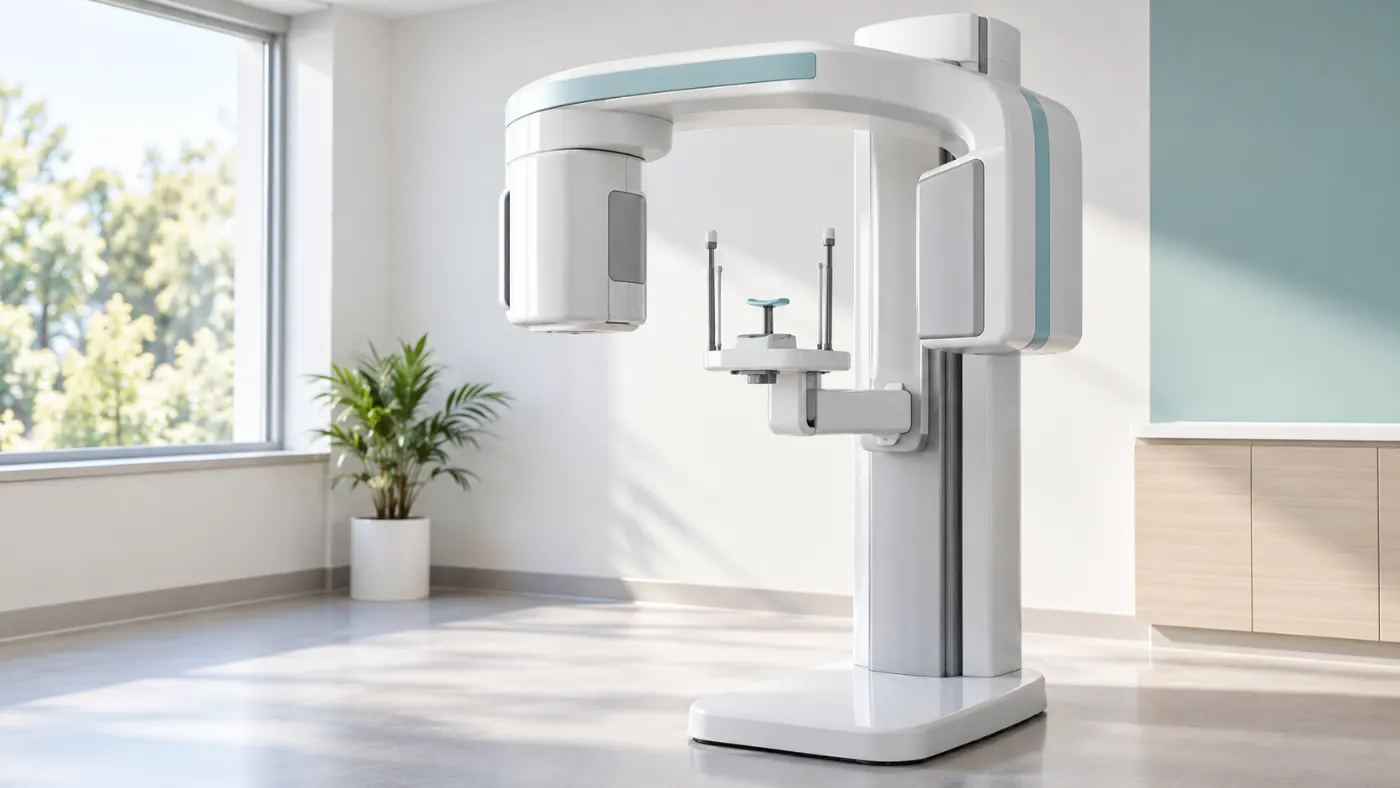
A CBCT scan can change an implant plan when it shows that the proposed site needs a different approach. Bone dimensions, the position of nearby anatomical structures and the condition of the surrounding area can all affect the discussion. A scan does not decide the treatment by itself. At Asok Montri Dental Clinic, we use imaging alongside an examination and your dental and medical history.
If you have received an initial estimate from photographs, think of it as a starting point. The consultation is where we can check whether the assumptions behind that estimate fit your mouth.
What information does a CBCT add?
CBCT provides a three-dimensional view of the teeth and jaws. Our dental technology page explains its role in treatment planning. For an implant assessment, the useful question is not simply whether a scan looks detailed. It is whether the information could affect where an implant is placed or what needs to happen first.
For example, the space visible above the gum is only part of the picture. The supporting bone beneath it and the relationship to nerves, sinuses and neighbouring teeth also matter. We explain relevant findings in the context of the proposed restoration, rather than asking you to interpret the image yourself.
Which parts of a plan might change?
The proposed implant position. Planning has to account for both the available anatomy and the teeth the implants will support.
Preparatory treatment. Findings may lead to a discussion about bone grafting or another issue that needs assessment before implant placement.
The sequence of appointments. A plan involving preparation and healing may require a different schedule from the one discussed before examination.
The treatment options. An implant is one possible way to replace a tooth. The final recommendation should explain the alternatives as well as the proposed approach.
These are possible planning decisions, not a prediction that you will need additional treatment. Our implant service information describes several approaches; suitability remains individual.
Does every implant consultation need a new scan?
Bring any recent X-rays, scan reports or treatment records you already have. Tell us when and where they were taken. We can then discuss whether those records answer the questions relevant to your consultation or whether further imaging is appropriate. Having an old scan does not automatically mean repeating it, and sending a scan does not replace an examination.
If you are travelling to Bangkok
Share your travel dates before booking treatment around a fixed itinerary. Ask which parts of the plan are provisional and which depend on the examination or imaging. If the plan changes, the written estimate should make the reason, additional stages and likely effect on appointments clear.
Our guide to implant visits and healing explains why the number of visits and the time between them are separate questions.
Questions to bring to your appointment
Ask: What did the scan show that changes my plan? Is preparatory treatment necessary, or are there alternatives? Which decisions can be made today? What needs to be confirmed before I arrange my next trip?
At your consultation, our aim is to connect the findings to a practical treatment discussion. You should understand what is being proposed and why before deciding how to proceed.
Keep the explanation beside the revised estimate
If the plan changes after imaging, ask for the new recommendation to be written down. It should be clear which assumption changed, which tooth or area is affected and which part of the original estimate still applies. That makes the conversation easier to revisit when you are comparing options at home.
Ask whether an additional fee is for imaging, preparatory treatment, a different restoration or another appointment. These are different items, and a single new total can hide the distinction. You should also understand which decisions are confirmed and which still depend on another assessment.
If another dentist will be involved after you return home, ask what records can accompany you and what they will need to know. Keep the updated plan with those records rather than relying on memory. The purpose of the scan discussion is not to leave you with more technical terms; it is to help you understand the choices and the next practical step.
Sources
References
- https://www.asokmontridental.com/en/technology
- https://asokmontridental.net/services/implants
- https://www.asokmontridental.com/en/articles/dental-implants-thailand-visits-healing
- https://www.asokmontridental.com/en/faq
Have a question?
Our team can talk through your concerns and help you decide what to ask at a consultation.
Appointment enquiryRelated articles
View all
Treatment Information
All-on-4 Costs in Thailand: What Shapes Your Quote
Our Bangkok implant team explains what shapes an All-on-4 quote, from one or both arches to restorations, grafting and planned visits.
Read article
Treatment Information
Bone Grafting and Sinus Lifts in Implant Planning
Understand how bone grafting and sinus lifts differ, and what to ask about implant treatment stages, materials, quotations and travel planning.
Read article